When a child's body doesn't have the strength, stability, sensory processing, or visual-motor coordination needed to control a pencil, handwriting can quickly fall apart — no matter how many worksheets they do. Clear, legible writing depends on the whole system working together, and occupational therapy helps build the foundational skills children need for handwriting success.
Handwriting concerns show up in a lot of ways. None of them mean your child isn't smart, isn't trying, or doesn't care.
Handwriting is the very last thing in a long chain of skills. Before a child can form a letter, the core has to stabilize the spine. The shoulder has to anchor the arm. The elbow steadies the forearm. The wrist holds position. Only then can the fingers do precise work.
The eyes and hands also have to work together efficiently. Visual-motor coordination helps children size letters correctly, space words, write on the line, and copy information accurately. When visual-motor skills are weak, handwriting can look messy even when a child knows exactly what they want to write.
Worksheets are part of how we build handwriting — but worksheets alone can't fix what's underneath. If the body isn't supporting the hand, asking the hand to write more just rehearses the same struggle. The worksheets work best when the foundational work happens alongside them.
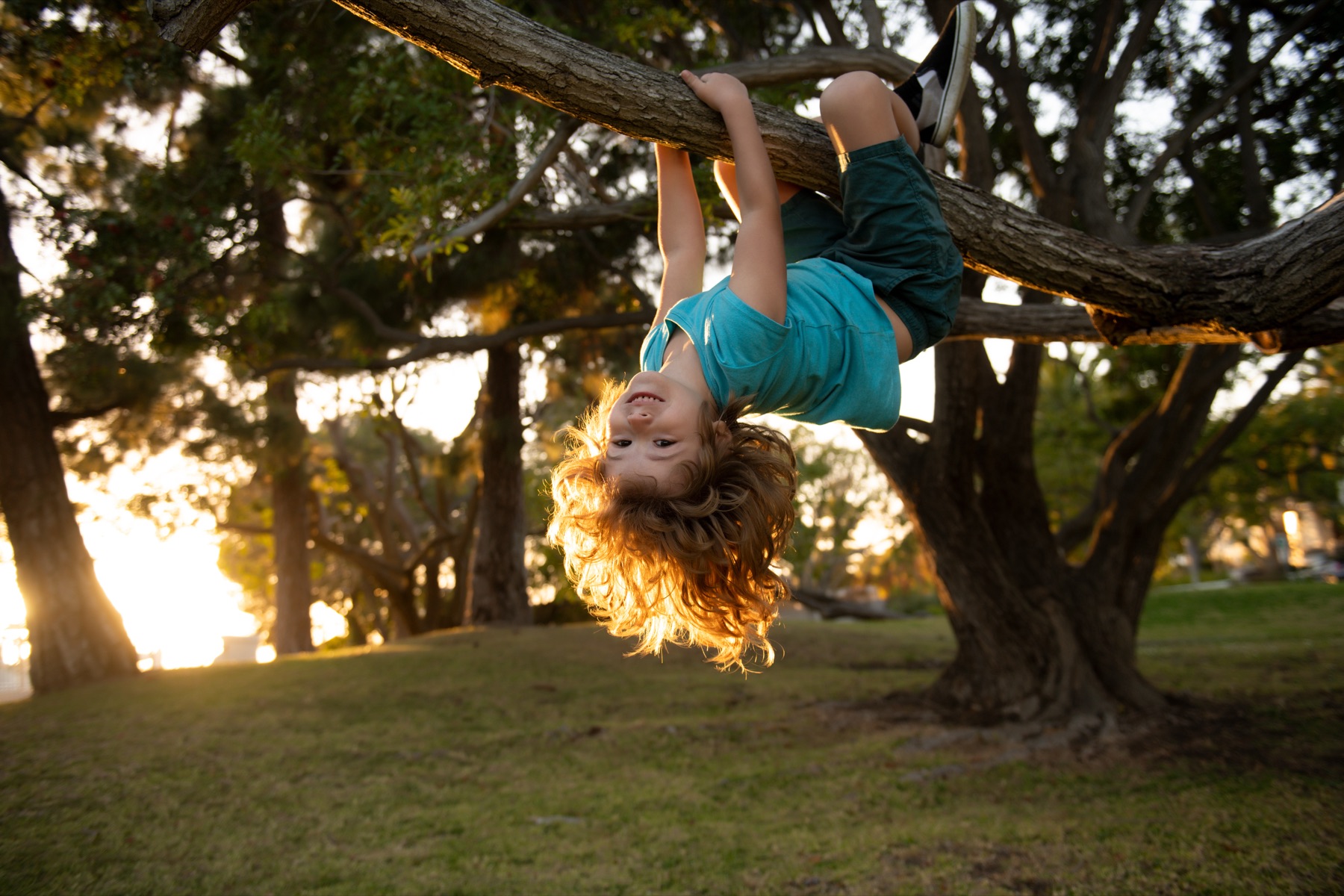
So we work the chain. Outside, where climbing, hanging, carrying, and digging build the core and shoulders the way they were designed to be built. Then we bring it back to the table — pencil, paper, visual-motor integration, and yes, the right kind of worksheets.

Every child's handwriting story is different. We evaluate, then build the program around what's actually getting in the way.
If the trunk and shoulders don't hold steady, the hand has nothing to write from. Climbing, hanging, carrying, and crawling build the foundation pencils need.
A weak hand grips harder, fatigues faster, and forms letters less precisely. We build strength gradually through real activities, not by squeezing therapy putty for an hour.
The "right" grip is the one that lets your child write legibly without fatigue or pain. We assess what's working, what isn't, and adjust thoughtfully — not just by handing over a rubber grip and hoping.
The mechanics of forming each letter, sizing it consistently, and spacing words for better legibility. These skills also rely on visual-motor coordination to help writing stay organized and readable.
A child who can write one sentence well but falls apart over a paragraph needs endurance work, not more letter practice. We build the writing stamina school actually demands.
Some children avoid writing because the pencil, the paper, or the desk feel wrong. We address the sensory side honestly, so the act of writing stops being an effort just to tolerate.
Most sessions blend outdoor body work with table-based pencil work — sometimes in the same hour, sometimes split across visits. The setting is chosen to match the goal: climbing for shoulder strength, a flat surface for letter formation, a quiet table for endurance and fluency.
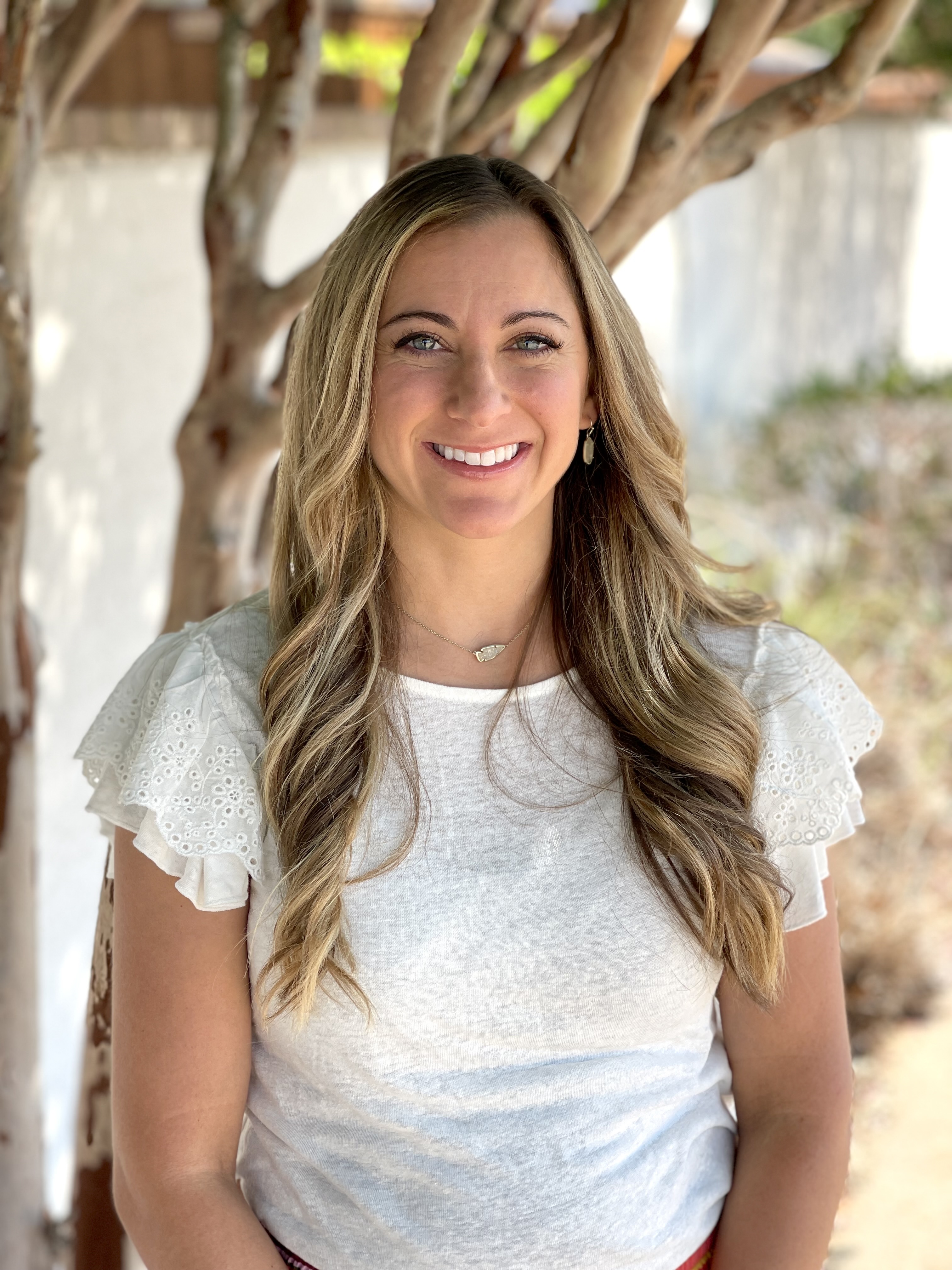
Jenna is a licensed pediatric occupational therapist with fifteen years of clinical experience across clinics, schools, and homes. She has spent years working with children on handwriting — pencil grips, letter formation, the body skills underneath, and the emotional resistance that often shows up alongside.
School OTs do tremendous work, but they're constrained by what insurance and IEPs will fund and the time they can dedicate per child. Creekside gives families a different option: focused, unhurried handwriting work, with a therapist who can address both the body and the pencil — and who can keep working with your child as their needs evolve.
Credentials — Master of Occupational Therapy · Licensed OTR · 15 years of pediatric experience across handwriting, sensory processing, developmental coordination, motor planning, and emotional regulation.
Sometimes school OT is exactly the right level of support. But school OT is constrained by what an IEP or 504 will fund, often happens in short pull-out sessions with multiple kids, and has to focus on the goals the school chooses. Creekside is private, longer-format, and can target the specific things a school OT may not have time for — including the body-side work that handwriting actually depends on. Many of our families use both. They complement each other.
That's one of the most common reasons families come to us. School OT eligibility is based on whether handwriting is impacting academic progress at a specific threshold — it's not the same as "this child is struggling." Plenty of children who don't qualify for school services still benefit enormously from focused, private handwriting work. We can pick up where the school left off.
Most of our handwriting families are between 6 and 11. By age 6, most children are doing real letter and word writing in school, which makes it the natural starting point for targeted handwriting OT. Younger children who need pre-writing work — grip development, shoulder stability, scissor skills — are usually a better fit for our Private 1:1 outdoor OT track. Older children may work on legibility, speed, endurance, and the writing fatigue that makes school harder than it has to be. The right starting age is whenever you and the teacher are seeing real friction.
Honest answer: it depends on what's underneath. If the issue is primarily letter formation, you may see real progress in 4 to 8 sessions. If we're rebuilding shoulder stability or addressing sensory aversion to writing tools, it can take longer. We re-evaluate every few visits so you always know where we are and what's next.
Most sessions blend outdoor body work with table-based pencil work. A typical hour might start with climbing or hanging to wake up the shoulders, move into a hand-strengthening activity, then sit down for a focused 15–20 minutes of letter or word work. Some sessions are entirely table-based when the goal is fluency or endurance. Some are entirely outdoor when the goal is foundational strength. Your child experiences it as varied. Jenna is making intentional clinical choices the whole time.
Outdoor sessions take place in the Argyle and Flower Mound area at natural settings — parks, trails, and varied terrain. In-home sessions happen at your kitchen table or wherever your child does homework. Most children benefit from both, and we'll discuss the best mix during the evaluation.
Creekside does not bill insurance directly and is not in-network with any health plan. This lets us practice in the way that actually works for handwriting: longer sessions, real settings, both body and pencil work in the same hour. A superbill is available on request for potential out-of-network reimbursement. Many families also use HSA or FSA funds toward the cost.
Letter reversals are normal up to about age 7. Beyond that, persistent reversals can signal something worth exploring further. Dysgraphia is a specific learning difference that affects writing — OT plays an important role in addressing the underlying skills, though it works best alongside the right educational supports. We can evaluate, treat what's in our scope, and help you understand whether additional evaluation makes sense.
A free intake call is where every family starts. No forms, no waitlist — just a real conversation with Jenna to see if this is the right fit for your child.
Together, we can help your child experience less frustration with writing, greater confidence at school, and more ease at the kitchen table.