In-Home Infant OT · Argyle / Flower Mound

Early support for tight necks and flat heads, right in your home.

If your baby has a head tilt, a preferred side, or a flat spot the pediatrician noticed — the earlier we begin, the easier the work. We come to you.

Birth–12 mo Age Range
In-Home Every Session
A mother gently kissing the top of her newborn's head in a softly-lit bedroom by a window.
You May Be Here Because

Something feels off, and you want answers.

You've been Googling at 2 AM. Your pediatrician said something — or didn't say enough. Either way, you want to do something now, not in three months.

  • Your baby seems to only look in one direction, even when you change the angle
  • One ear sits closer to the shoulder than the other, or the head tilts to one side
  • You've noticed a flat spot — on the back, or sometimes one side — and it's gotten more noticeable
  • Tummy time is a battle, and it feels like baby always turns the same way
  • Your pediatrician mentioned the words "torticollis," "plagiocephaly," or "flat head" — and you don't fully know what to do next
  • You've been told "wait and see" but your gut says something needs to happen sooner
  • You don't want to drive a fussy newborn across the metroplex for every appointment
What It Is

Torticollis & plagiocephaly, simply explained.

Torticollis — sometimes called "wry neck" — is a tightness in the muscles of the neck that causes a baby to tilt the head to one side and turn it toward the other. It often starts in utero (especially with crowded space, large babies, multiples, or difficult deliveries) and is one of the most common reasons babies develop a flat spot.

Plagiocephaly — flat head syndrome — happens when a baby spends a lot of time with pressure on one part of the skull, often because torticollis is making it hard to turn the other way. The two conditions are connected, and they're best treated together.

Both are common. Both are treatable. And in most cases, conservative therapy — started early — can prevent the need for a helmet.

A baby in supported tummy time on a soft surface, looking up with engaged blue eyes.
When to Act

The earlier we begin, the easier the work.

Skulls are most malleable in the first four to six months. Necks respond quickly to gentle, consistent intervention while baby is still small. "Wait and see" can mean missing the window where the work is easiest.

— 01

Birth to 3 months

The ideal window. Necks are most flexible, skull shape responds quickly to repositioning and tummy time, and we can usually prevent a flat spot from progressing.

— 02

3 to 6 months

Still a strong window. Most plagiocephaly can be addressed without a helmet when therapy starts here. Tightness in the neck may take longer to fully resolve.

— 03

6 to 12 months

Therapy is still very effective for the tight neck and for downstream issues — feeding patterns, motor milestones, body asymmetries. Skull reshaping is harder past six months, but improvements are still possible.

How We Work

The logistics.

100%
in-home
visits, every time
60
minute
focused sessions
Weekly
typical
cadence to start
0–12 mo
age range
birth through one year

Sessions are gentle, never uncomfortable for your baby. We work into feeding, tummy time, and play — not in spite of them. You learn a daily home program so the work continues between visits, where most of the progress happens.

Why In-Home

Because the work happens where the baby lives.

Driving a fussy newborn to a clinic isn't a small thing. It costs the family naps, calm, and the regulated state babies actually need to do the work. Coming to you isn't a convenience — it's clinically better.

— 01

Baby stays regulated

No carseat, no parking lot, no waiting room. We work with a baby who's calm and present, which is the only state where therapy actually lands.

— 02

Your setup gets seen

Tummy time mat, swing, feeding chair, sleep space. Your home is where the home program will live. We optimize it together, in context.

— 03

You stay regulated, too

You're not loading and unloading a diaper bag for every session. You're sitting on your own couch, learning the work, watching your baby make progress in the room you live in.

The Process

Simple. Intentional. Effective.

From the first call to ongoing care — a clear, unhurried path for every family.

01

Free Intake Call

A short call with Jenna. You describe what you're seeing, share any pediatrician notes, and ask anything. No forms, no pressure — just a real conversation to see if this is the right fit.

02

In-Home Evaluation

Jenna comes to your home for a full evaluation: neck range of motion, head shape, tummy time, feeding, motor milestones. You leave the visit with a clear picture and a starting plan.

03

Weekly Sessions

Gentle hands-on therapy plus a home program you can actually do between visits. Sessions are folded into feeding, play, and tummy time — not added on top of an already-full day.

04

Tracking & Adjusting

We measure progress visit to visit — range of motion, head shape, milestones. You always know where things stand, what to keep doing, and when we'll know we're done.

What Can Improve

Through Creekside infant OT, families often notice:

  • Improved neck range of motion and head turning
  • A more symmetric head shape — often without needing a helmet
  • Easier, more enjoyable tummy time
  • Smoother feeding on both sides
  • Progress through early motor milestones — rolling, reaching, sitting
  • Confidence about positioning, tummy time, and home routines
  • Less worry about what's happening with your baby's head shape
  • A calmer baby, and a calmer family
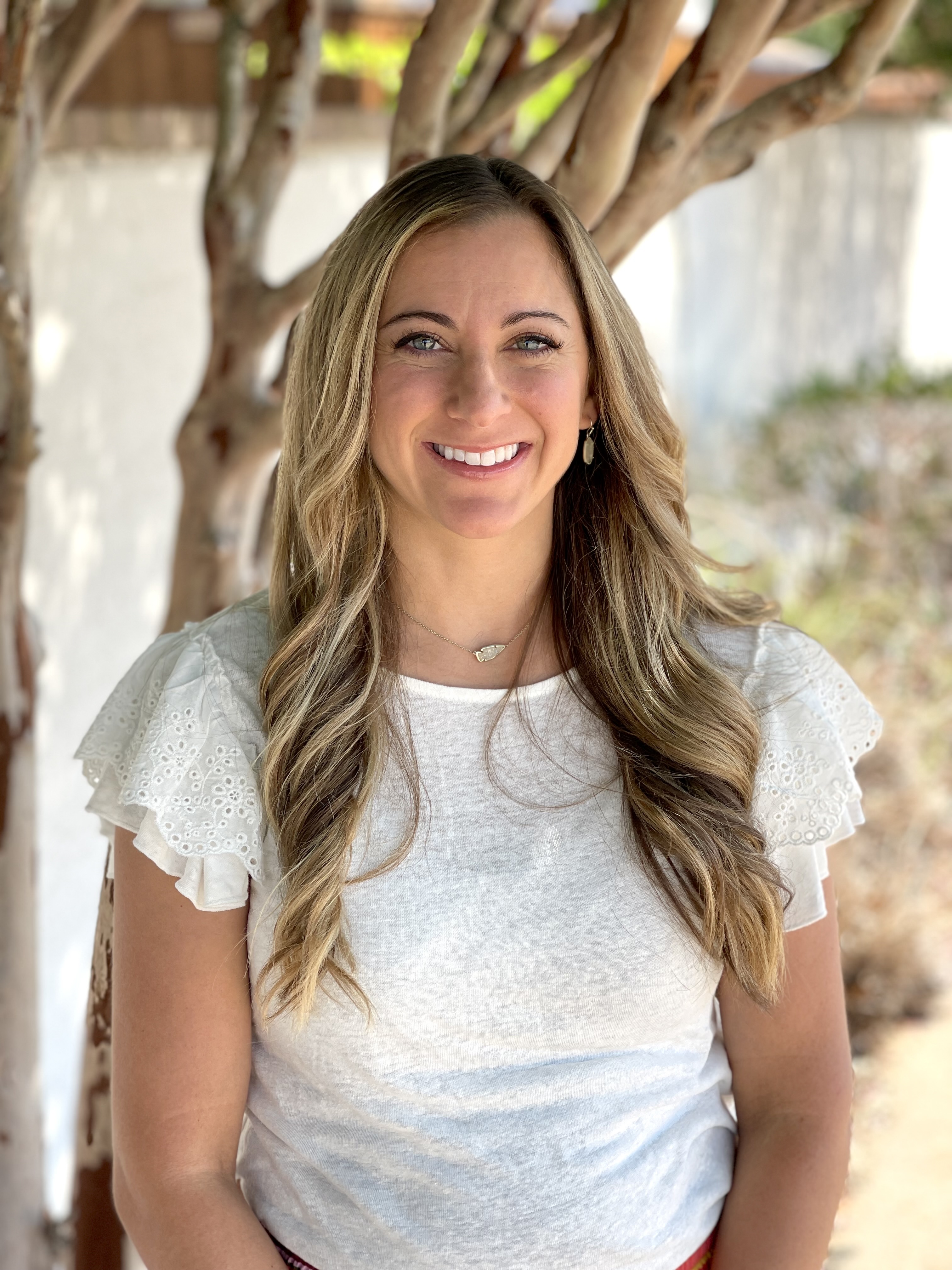
Jenna Campbell, MOT, OTR/L
Led by

Jenna Campbell, MOT, OTR/L

Jenna is a licensed pediatric occupational therapist with fifteen years of clinical experience across clinics, schools, and homes — and a mother of five. She has worked with infants for years on neck tightness, head shape, feeding patterns, and the cascade of early motor milestones that get disrupted when one side of the body holds tension.

An OT lens matters here. Torticollis is rarely just a neck issue. It shows up in feeding, in tummy time, in early reaching, in the way a baby starts to move. Jenna treats the whole picture.

Credentials — Master of Occupational Therapy · Licensed OTR · 15 years of pediatric experience across sensory processing, developmental coordination, torticollis, plagiocephaly, and infant motor development.

Read Jenna's full story on the main site →
Questions

What parents often ask.

My pediatrician said "wait and see." Should I?

Sometimes wait-and-see is exactly right. But for torticollis and flat-head, the window of easiest intervention is short — most progress happens in the first six months. If your baby has a clear preferred side, a noticeable head tilt, or a flat spot that isn't getting better, a free intake call costs nothing and can give you a clearer picture of whether to act now or watch a little longer.

Does my baby need a helmet?

Not necessarily. Most plagiocephaly cases caught early can be resolved with conservative therapy — repositioning, stretching, strengthening, and tummy time strategies — before a helmet is ever needed. We work hard to prevent helmets, and when a helmet is genuinely the right call, we'll tell you honestly and help coordinate that care.

What does an in-home session look like?

Sessions run about 60 minutes. Jenna works with you and your baby on a blanket, mat, or wherever your baby is most comfortable. Most of the work happens through play, supported tummy time, gentle stretching, and positioning. You watch, learn, and try the techniques yourself so you can continue between visits — that's where the real progress accumulates.

How many sessions will we need?

It varies. Mild cases caught early sometimes resolve in 4 to 8 sessions. Moderate or older cases may take several months of weekly work, then taper. We re-evaluate every few visits and adjust the cadence — including discharging when you no longer need us.

Is this covered by insurance?

Creekside does not bill insurance directly and is not in-network with any health plan. This lets us practice in the way that actually works for infants — full 60-minute sessions, in-home, hands-on, without restrictions on what we can address. A superbill is available on request for potential out-of-network reimbursement. Many families also use HSA or FSA funds toward the cost.

Do you also treat plagiocephaly?

Yes. Plagiocephaly and torticollis are closely linked — one often drives the other — and we treat them together. Repositioning, supported tummy time, head-shape tracking, and the underlying neck work are all part of the program.

What if my baby is older than 6 months?

Therapy is still very effective for the neck tightness and downstream issues even after six months. Skull reshaping becomes harder past that point but is not impossible. The earlier we begin, the better — but it's almost never too late to make progress on the tight neck itself.

Where do you see families?

In the Argyle, Flower Mound, Lantana, Highland Village, Bartonville, and surrounding Denton County area. If you're outside that radius, reach out anyway — we can sometimes accommodate, or help you find a trusted provider closer to home.


Ready to Begin

Early support, at home, before the window closes.

A free intake call is where every family starts. No forms, no waitlist — just a real conversation with Jenna to see if this is the right fit for your baby.

Now accepting infant families · Argyle & Flower Mound, TX

Jenna responds within two business days

Together, we can help your baby grow into a balanced, comfortable body — and help you feel grounded about every step along the way.